


CEO’s Message
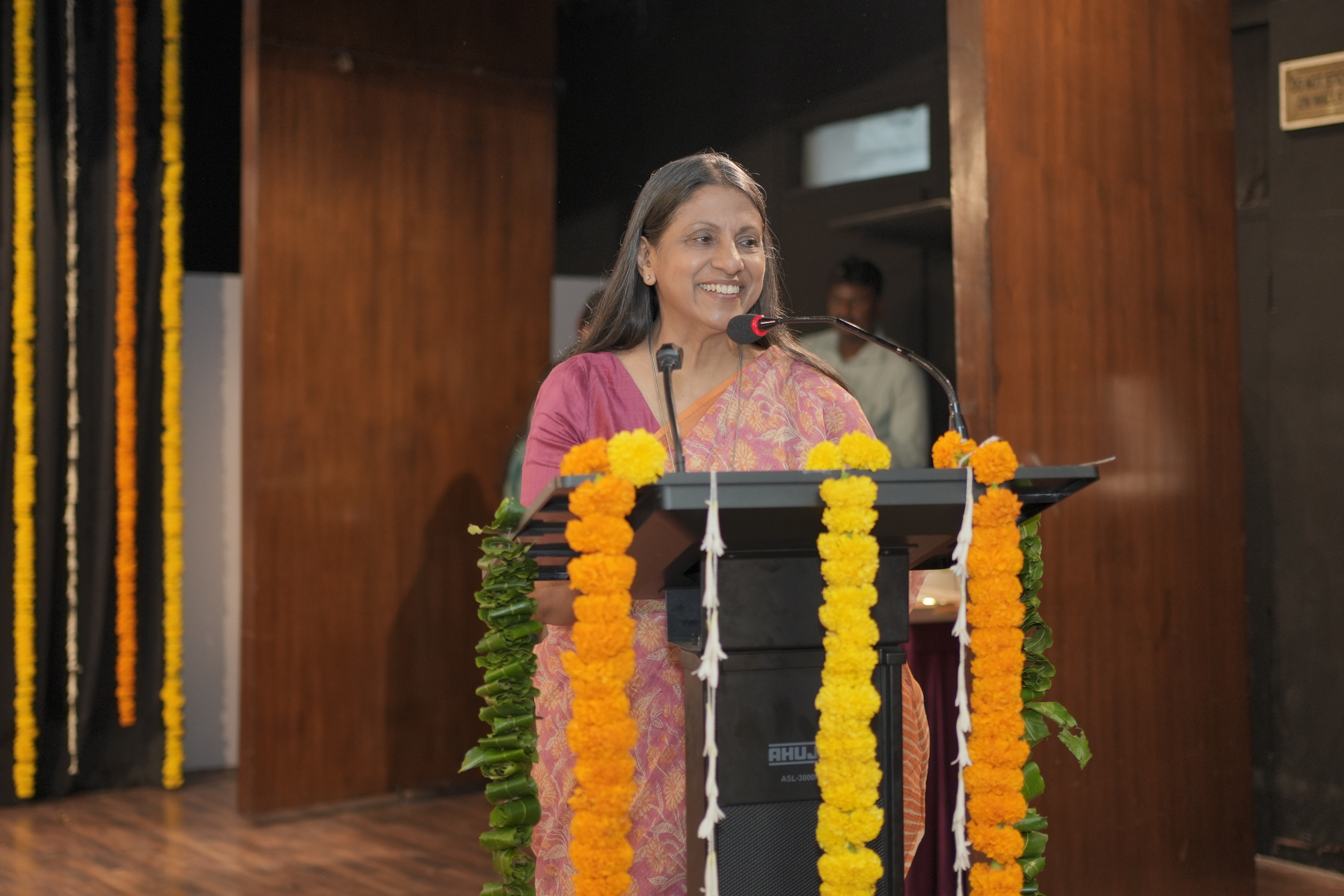
Prof. Mona Gupta
Chief Executive Officer (HMCG SSC)
CEO’s Message
“As we are leapfrogging into a new era of skills and education one of the key goals of Skill India Mission are to improve GDP Pan India and increase local employment/entrepreneurship. This via creating a versatile pool of skilled, reskilled and up-skilled workforce and mainstreaming vocational education in schools and colleges.”
We have identified new pathways in this unique and only care infrastructure for home care, institutional care, household services & facility management dignifying domestic work and unpaid care.
By addressing dynamic demand, partnering with industry, digitization and by making the learning material available in vernacular & foreign languages for training Pan-India & overseas, we aim to address the looming gap in demand and supply.
India is dealing with an ageing crisis because for the first time, there are more elderly people than children. The number of factors cited for longevity is rising, including improvements in medical technology and the fact that people are living longer. The idea that home care professionals should be qualified, trained, and ambitious in general, and elder care workers in particular, falls under that.
There are 130 million elders in India today, and they are rising at a rate of 3% per year quicker than many other groups. By 2050, 20% of our population is predicted to be elderly, making India one of the oldest countries in the world by 2025. Similar phenomenon is also being experienced in several nations worldwide.
Likewise, Viksit Bharat @2047 envisions nurturing children holistically without which child labour & out of school will continue to ail our economy & society. With child population to reach 350 million by 2050, child care is no less imperative, for an accelerating GDP.
Further when women makeup more than 60% of familial care it adversely impacts their labour force participation which stands at 41.7%, much below than other progressive economies.
As this sector evolves demand on the whole spectrum- higher education and short term training as well as RPL are recognised pathways to formal, captive & entrepreneurial opportunities.